3: Learn Something New
Learn Something New. Lifelong learning is one of the most well-documented protections against cognitive decline. But learning is far broader than most people assume. This article reframes what learning means — and makes the case for choosing one thing and starting today.

There is a myth about learning that I'd like to gently dismantle.
It goes something like this: learning is for the young. The brain's best years are behind us by the time we reach our sixties. Picking up new skills becomes harder, slower, and less rewarding the older we get. Better to be comfortable with what we know than to struggle with what we don't.
This is not only wrong — it is, in a quiet way, quite damaging. Because the moment we accept it, we stop. And stopping, mentally, is one of the fastest ways I know to age.
The truth, borne out by decades of research into brain plasticity, is considerably more encouraging. The adult brain — including the older adult brain — retains the ability to form new neural connections throughout life. Learning new things does not just keep us mentally sharp. It actively builds cognitive reserve, which is the brain's resilience against age-related decline. Studies consistently show that people who continue learning throughout their lives have significantly lower rates of dementia and cognitive deterioration.
Learning, in the most literal sense, keeps the brain younger than its years.
What counts as learning?
Before you decide this doesn't apply to you, let's talk about what learning actually means — because it is considerably broader than most people assume.
Yes, it includes academic learning. Classes, courses, reading widely and deeply, studying a subject that interests you. All of that counts, and there are more accessible routes to it than ever before — local colleges, community learning centres, and online platforms offer an enormous range of subjects aimed specifically at older adults, many of them free or very low cost.
But learning also includes practical skills. Learning to grow vegetables. Refinishing a piece of furniture. Getting to grips with a new piece of technology. Understanding how something works — a camera, a piece of music, a historical period — that you've always been vaguely curious about.
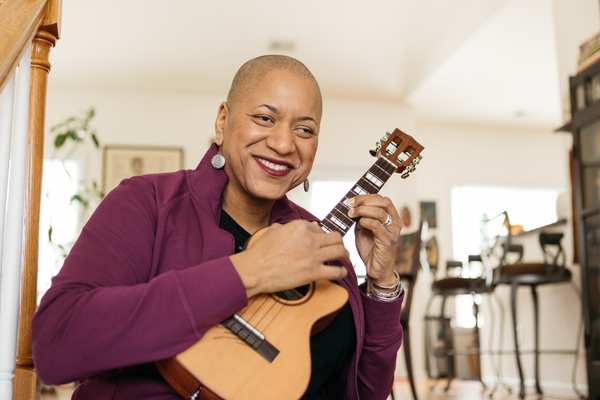
It includes creative skills. Learning to draw, even badly, at seventy is learning. Taking up the ukulele. Writing your family history. Attempting sourdough bread for the first time. All of it counts.
The definition I find most useful is this: if it requires effort, practice, and the occasional frustration of not yet being good at something — it is learning. And that is exactly where the benefit lies.
The discomfort is the point
This is the part that is worth sitting with.
We tend to avoid things we are not already good at. This is human nature, and it intensifies as we get older, partly because we have more invested in our self-image and partly because novelty becomes less immediately comfortable with age.
But the slight discomfort of not knowing something yet, of being a beginner, of making mistakes and trying again — that friction is precisely where the brain is being exercised. Ease and repetition do not build new neural pathways. Genuine effort does.
I am not suggesting you make yourself miserable in the name of cognitive fitness. I am suggesting that choosing something which genuinely interests you, and then sticking with it long enough to get past the initial awkwardness, is one of the most valuable things you can do for the long-term health of your mind.
A practical starting point
Think about something you have always been curious about but never pursued. It doesn't need to be grand or impressive. It just needs to be genuinely interesting to you.
Then find the simplest possible first step. Not a commitment to mastery — just one book, one class, one YouTube tutorial, one conversation with someone who already knows how to do it.
The aim is not expertise. The aim is engagement — a mind that is still reaching, still curious, still growing.
That quality, maintained through the later decades of life, is one of the most powerful forms of staying young I know.
Jasper Wildwood | JasperWildwood.com
Strength Returns, One Step at a Time.
This is Part 3 of the Staying Young at Heart series.
Next: Move Your Body — why gentle, consistent movement is the closest thing we have to a fountain of youth.