Move Your Body
Move Your Body. This is the heart of what JasperWildwood.com is about. Not exercise as punishment or obligation — but movement as one of the most direct routes to feeling more alive that exists. This article looks at what movement really means for older adults, and why consistency always beats intensity.
If you've found your way to this site, you already know something about the importance of movement. You may have downloaded the walking plan. You may be a few days or a few weeks into rebuilding your fitness. Or you may be at the very beginning, still weighing up whether this is for you.
Wherever you are, I want to say something that I think gets lost in most conversations about exercise for older adults.
Movement is not medicine you take because you have to. It is one of the most direct routes to feeling more alive that exists. And when it is gentle, consistent, and genuinely enjoyable — rather than punishing, obligatory, and joyless — it changes not just the body but the entire quality of a day.
The problem with the word "exercise"
Somewhere along the way, the word exercise became synonymous with effort, discomfort, and gym membership. For many of us — particularly those who were never especially sporty, or who have had long breaks from physical activity — the word itself carries a faint weight of dread.
I think it is worth setting it aside entirely.
What we are really talking about is movement. Purposeful, enjoyable, regular movement. And movement, defined this way, has no single correct form. It is anything that gets you on your feet, out of your chair, and engaged with your body and the world around you.
That definition is generous enough to include almost everything. And that breadth matters, because the research is unambiguous: the best form of movement for any individual is the one they will actually do consistently. Enjoyment and sustainability are not optional extras — they are the whole point.
What counts?
Let me offer a few examples that tend to surprise people.
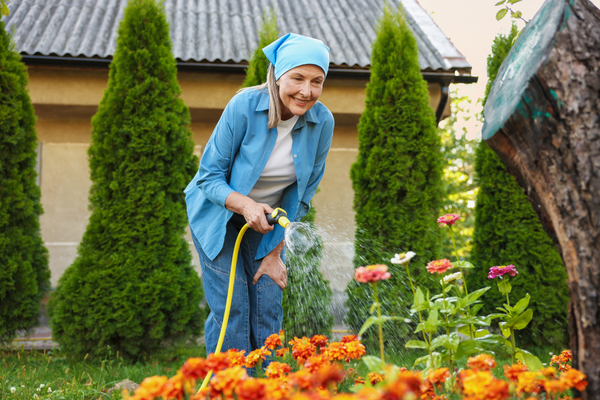
Gardening is one of the most complete forms of physical activity available to older adults. It involves bending, reaching, carrying, kneeling, and sustained low-intensity effort — all movements that build strength, flexibility, and balance. A couple of hours in the garden compares favourably with many gym sessions, without the overhead lighting or the membership fee.
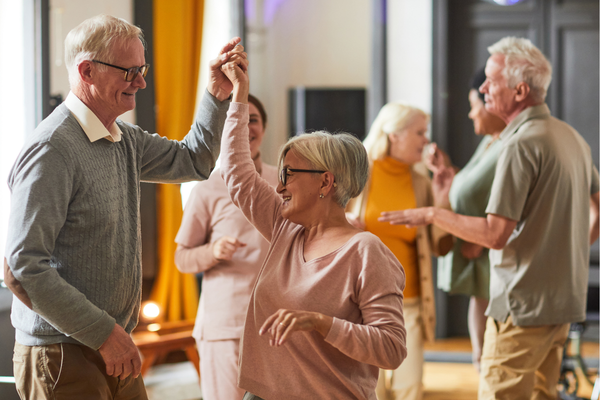
Dancing — in any form — is exceptional exercise that rarely feels like exercise at all. It challenges balance and coordination, elevates the heart rate gently, and has the additional benefit of being joyful. Many communities have regular dances or classes aimed at older adults, and almost every form of dance has a beginner-friendly version.
Swimming is outstanding for anyone with joint pain or reduced mobility, since the water supports the body's weight while still providing resistance. If you have access to a pool, it is worth considering seriously.
Walking, of course, is the cornerstone of what this site is about — and for good reason. It requires nothing beyond a pair of supportive shoes and somewhere to go. It is low-impact, highly effective, and endlessly adaptable to your current fitness level. If you haven't yet looked at the free 20-Minute Beginner Walking Plan, that would be my first recommendation.
And then there is simply moving more throughout the day — getting up from a chair regularly, taking stairs where possible, choosing to walk to a nearby destination rather than drive. These micro-movements accumulate across a day into something genuinely significant.
The honest case for consistency over intensity
I want to be clear about one thing that the fitness industry tends to obscure: for older adults, consistency is far more important than intensity. A gentle 20-minute walk five days a week will do more for your long-term health, mobility, and wellbeing than an occasional intense effort followed by days of recovery.
The body responds to regular, moderate movement by gradually becoming better at it. Strength improves. Balance sharpens. The cardiovascular system becomes more efficient. Energy — paradoxically — increases.
None of this requires pushing hard. It requires showing up regularly, moving within your comfortable range, and trusting the process.
One important note: if you haven't exercised in some time, or if you have any heart or joint conditions, please check with your doctor before significantly increasing your activity level. This is not a disclaimer — it is genuinely good advice.
A final thought
I rebuilt my fitness very slowly, and there were days when progress felt invisible. But the cumulative effect of moving regularly — even gently, even briefly — was real and unmistakable. Not just in my body, but in my mood, my sleep, my energy, and my sense of what was possible.
Movement, done gently and consistently, is not preparation for living well. It is living well.
Start where you are. Move within your range. And keep going.
Jasper Wildwood | JasperWildwood.com
Strength Returns, One Step at a Time.
This is Part 4 of the Staying Young at Heart series.
Next: Teach Something — why sharing what you know is one of the most rewarding and rejuvenating things you can do.