Movement Builds Lasting Strength:
A Gentle Super-Ager Approach to Staying Active
Movement Builds Lasting Strength. A gentle guide to staying active as you age. Improve strength, heart health, balance, and mobility with simple, sustainable movement.
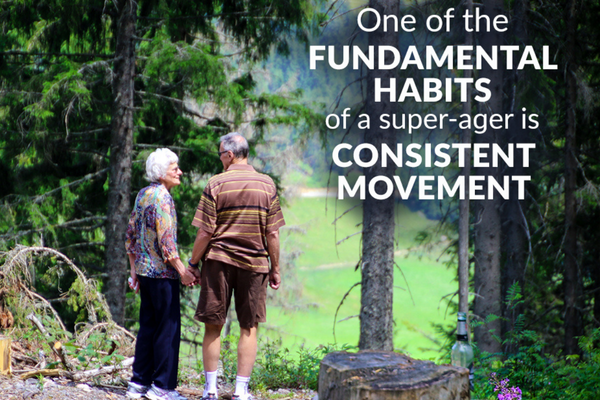
If there is one habit that quietly shapes how we age, it is this:
We keep moving.
Not intensely.
Not perfectly.
But consistently.
Super-agers — those who remain strong, capable, and independent into later life — tend to use their bodies regularly. They do not allow long periods of inactivity to become the norm.
And the encouraging part is this:
You do not need to become highly athletic to benefit.
You simply need to begin — and continue.
Research from the National Institute on Aging shows that regular physical activity supports strength, mobility, and independence in later life.
Why Movement Matters More Than Ever
As we age, the body responds quickly to how much — or how little — we use it.
Regular movement helps to:
- Maintain a healthy weight
- Support heart function
- Preserve muscle strength
- Protect bones and joints
- Improve balance and reduce the risk of falls
Without movement, the body gradually becomes weaker, stiffer, and less resilient.
With movement, even gentle movement, it begins to adapt again.
Movement Supports a Healthy Weight — Gently
Weight changes can become more noticeable in later life, particularly around the waist.
Rather than chasing strict diets or rapid weight loss, movement offers a steadier path.
Walking, light activity, and regular daily movement help the body:
- Use energy more efficiently
- Maintain muscle
- Reduce excess weight gradually
You do not need to monitor everything closely.
Simple habits make a difference:
- Walk regularly
- Eat balanced meals
- Keep portion sizes reasonable
- Stay socially active
These small, consistent choices support a healthier weight over time.
Your Heart Benefits from Every Step
The heart is at the centre of everything the body does.
When you walk regularly, even at a comfortable pace, you help:
- Improve circulation
- Maintain healthy blood pressure
- Support steady heart rhythm
- Increase stamina
Over time, this makes everyday tasks easier.
You may notice:
- Less breathlessness
- Better energy through the day
- Improved sleep patterns
There is no need for intense cardio.
A steady 20-minute walk, repeated regularly, is enough to begin.
Strength Protects Independence
Muscle strength becomes increasingly important with age.
It supports:
- Balance
- Stability
- Joint protection
- Confidence in movement
Without it, the risk of falls and injuries increases.
With it, everyday life remains manageable.
You do not need a gym routine to begin building strength.
Simple options include:
- Walking regularly
- Light resistance exercises
- Chair-based movements
- Gentle activities such as gardening or dancing
The goal is not to build large muscles.
The goal is to stay capable.
Avoiding the Quiet Effects of Inactivity
Long periods of sitting and inactivity can gradually lead to:
- Loss of strength
- Reduced mobility
- Lower energy
- Decline in confidence
- Increased risk of falls
This often happens slowly, almost without noticing.
The solution is not dramatic change.
It is gentle interruption.
Stand more often.
Walk a little each day.
Keep the body in use.
You Do Not Need to Do Everything
It is easy to feel that exercise requires:
- Long sessions
- Complex routines
- Perfect consistency
It does not.
For most people, especially when starting again, this is enough:
- Walk 3–5 times per week
- Keep each walk manageable
- Add small strength movements over time
That is how progress begins.
Movement Builds Lasting Strength: A Simple Way to Begin
If you are unsure where to start:
Start with walking.
Walk at a comfortable pace.
Walk for 10–20 minutes.
Walk regularly.
Then build slowly.
You do not need to rush.
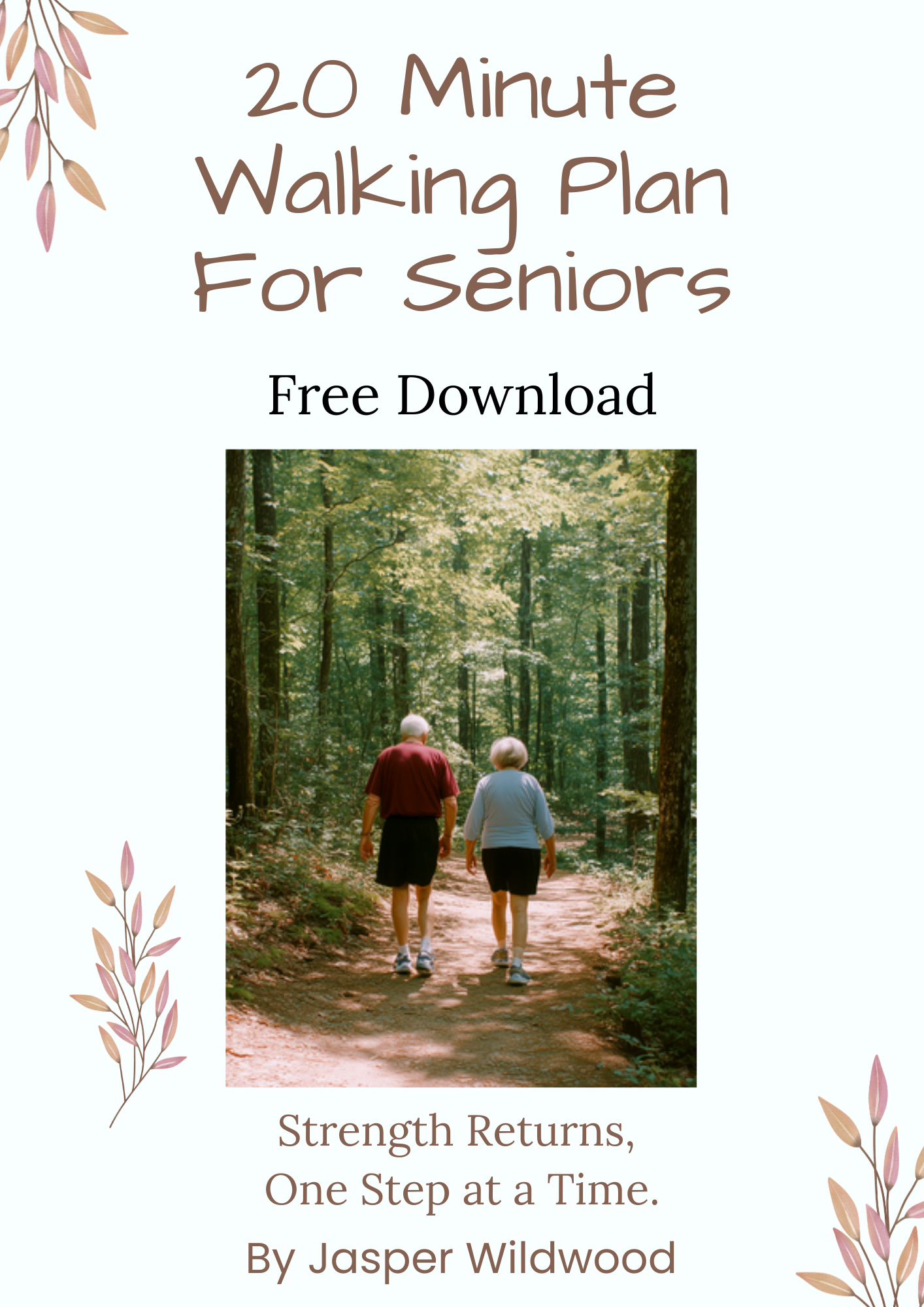
I have written a Free Report - Walking Workout For Seniors: The 20-Minute Beginner Walking Plan.
A 4-week guide for seniors who want to rebuild strength and confidence gently, without pressure or extremes.
A Final Word
You do not need to run marathons.
You do not need to push your limits.
You do not need to prove anything.
You simply need to keep moving.
Because movement, done gently and consistently, supports:
- Strength
- Balance
- Confidence
- Independence
And these are the things that matter most.
👉 Ready to begin? Follow the 20-Minute Beginner Walking Routine here...

Strength returns when we move gently, consistently, and without pressure.
One step at a time is enough.